
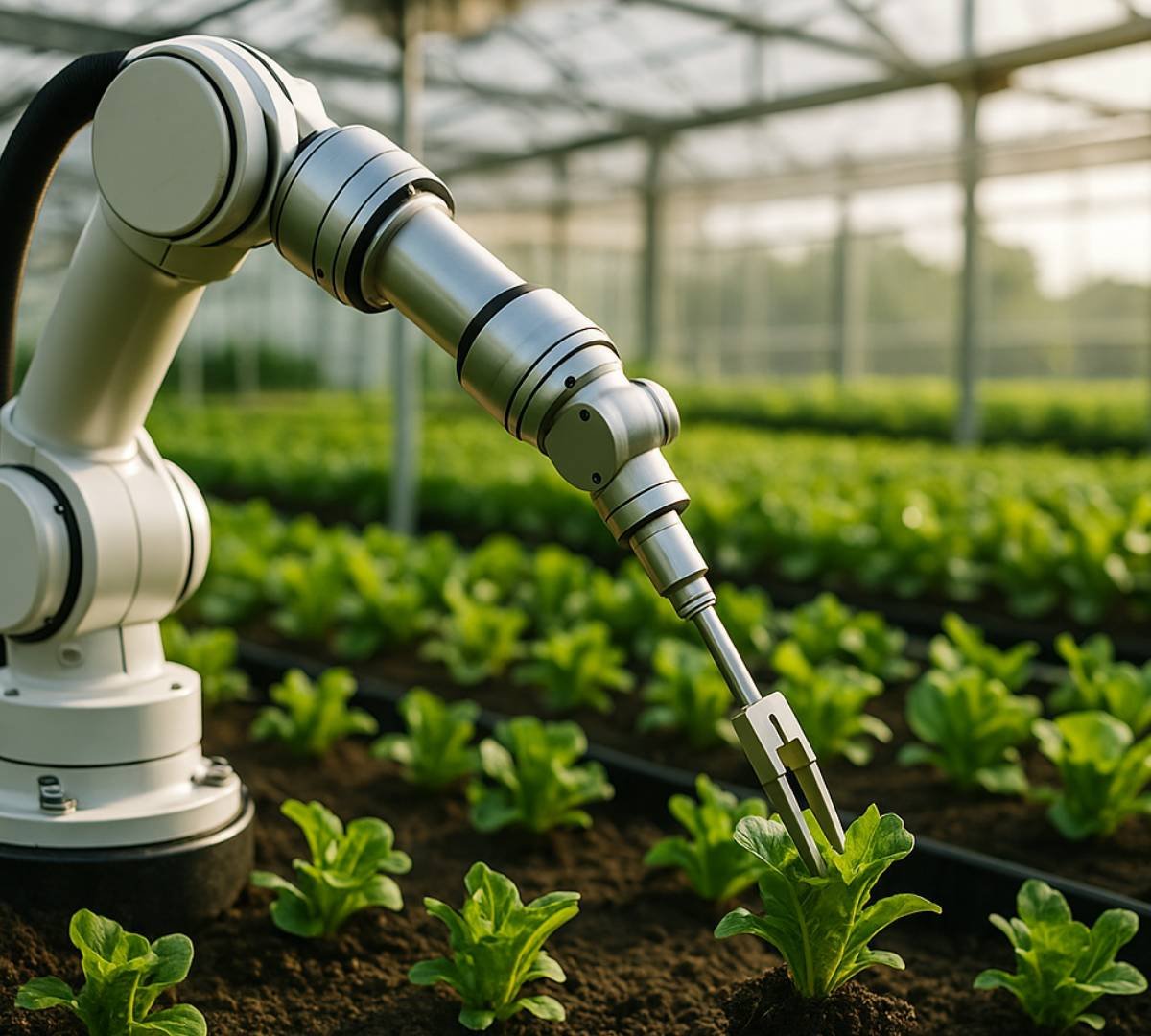
The way we eat has always been shaped by innovation — from the first agricultural tools to the global supermarkets we know today. But right now, food is entering its most dramatic transformation yet. Artificial intelligence, lab-grown proteins, and sustainable farming practices are promising to redefine what ends up on our plates and how it gets there.
For consumers, this shift brings exciting opportunities: healthier meals, less waste, and more efficient food systems. At the same time, it raises important questions about privacy, culture, and dependence on technology. In this article, we’ll explore the future of food, the breakthroughs driving it, and the hidden side effects no one is talking about.
Key Takeaways
- The future of food will be driven by AI, lab-grown meat, vertical farming, and smart grocery tech.
- These changes could help reduce waste, lower costs, and make diets more personalized.
- Side effects include privacy concerns, cultural homogenization, and dependence on corporations.
- Balance is key: using technology as a tool while protecting food traditions and human choice.
Introduction: Why the Future of Food Matters
Every meal we eat carries a story — from how it was grown to how it reached our plate. Today, that story is being rewritten by technology. Rising grocery costs, growing awareness of food waste, and the global push toward sustainability have sparked a wave of innovation. At the center of this transformation is a new partnership between food and technology — from AI-powered meal planning to lab-grown meat and vertical farming.
The future of food looks both exciting and complex. Personalized nutrition, reduced waste, and sustainable farming methods could help feed a rapidly growing global population. Yet every innovation comes with trade-offs. Concerns about privacy, cultural erosion, energy consumption, and dependence on corporations are just as real as the benefits.
This guide explores how technology is reshaping the food industry — and why the side effects deserve just as much attention as the promises.
AI in the Kitchen: Smarter Meals, Smarter Spending
Personalized Meal Planning
AI can now analyze what’s in your fridge and suggest recipes to avoid waste. Apps like Fridgeo do exactly this: you type in your ingredients, and it generates meal ideas that save money and reduce waste. Imagine your kitchen assistant not just recommending meals, but optimizing nutrition based on your personal health goals.
MIT Technology Review: How AI is transforming the food industry
Predictive Grocery Shopping
Smart systems could soon predict what you’ll run out of — from eggs to bread — and automatically reorder them. Your fridge may “talk” to your grocery app, cutting back on forgotten items and impulse buys.
Side Effects of AI in Food
- Privacy risks: Every bite you eat becomes data, which corporations may use to push ads or adjust pricing.
- Loss of intuition: Relying on algorithms may erode our natural cooking skills.
- Homogenized taste: If everyone is fed “optimized” meals, cultural food diversity could diminish.
AI is clearly part of the future of food, but how it’s implemented will determine whether it empowers us — or limits us.
Sustainability and Farming Innovations
Vertical Farming
Instead of sprawling farmland, imagine skyscrapers filled with lettuce, strawberries, and herbs — grown in stacked layers with LED lighting and hydroponics. This vision of vertical farming is becoming a key part of the future of food, promising fresher, local, year-round produce.
Lab-Grown Meat
Scientists are now producing meat without raising animals, using cells grown in labs. Advocates say it’s better for the planet, reduces methane emissions, and addresses animal welfare concerns.
Cultured meat (Wikipedia): comprehensive overview of lab‑grown meat, sustainability, and technology
Food Waste Apps
Apps like Too Good To Go and Olio connect consumers with discounted surplus meals from restaurants and grocery stores. Combined with recipe platforms like Fridgeo, they make it easier to cut back on waste.
Side Effects of Food Tech in Farming
- Energy demands: Lab-grown meat and vertical farms require massive electricity, which may offset their benefits if powered by fossil fuels.
- Corporate control: Farming could shift from small-scale growers to a handful of tech giants.
- Cultural loss: Traditional farming practices and local food heritage risk being overshadowed by industrialized tech farming.
International Panel of Experts on Sustainable Food Systems (IPES‑Food)
The Digital Grocery Store: Shopping Without Leaving Home
Smart Fridges and Pantries
Connected appliances can track what you have, monitor expiration dates, and even order replacements automatically.
Subscription-Based Meals
Meal kit services like HelloFresh and Blue Apron make home cooking convenient, while grocery giants like Amazon move toward “one-click” recurring orders.
Side Effects of Digital Food Shopping
- Packaging overload: Meal kits and delivery boxes increase plastic waste.
- Small businesses threatened: Local grocery stores may struggle to compete with large delivery platforms.
- Food deserts risk: If food access becomes app-driven, communities without reliable tech access could be left behind.
How to Reduce Food Waste: 15 Easy Ways
The Human Side of the Food Tech Revolution
Jobs in Transition
Automation could reduce jobs in farming, groceries, and food service. While new jobs in AI and logistics may emerge, millions of traditional workers could face displacement. This shift shows how the future of food is not only about what we eat, but also about the people and industries that support it.
Cultural Identity
Recipes passed down for generations might be replaced by algorithm-driven meals. Cooking together — a deeply human ritual — risks being overshadowed by convenience. Preserving cultural food traditions will be just as important as embracing the innovations driving the future of food.
Dependence on Tech
If families outsource cooking decisions to AI, we risk becoming dependent on corporations for what, when, and how we eat. That raises concerns about freedom of choice and diversity of diets. These questions highlight the need to shape the future of food in a way that balances technology with human values.
Finding Balance in the Future of Food
Technology has the power to make food systems smarter, greener, and more efficient. But balance is essential.
- Use AI as a tool, not a crutch: Let apps like Fridgeo inspire creativity and reduce waste, but keep your own cooking instincts sharp.
- Support sustainable practices: Embrace vertical farming and waste-reduction apps while still supporting local farmers and food traditions.
- Protect privacy and culture: Demand transparency in how food data is used, and value cultural food traditions alongside new technology.
Conclusion: The Future Is What We Make It
The future of food is unfolding right now. AI can help us reduce waste and save money, while farming innovations may address global hunger. Smart kitchens powered by technology could make everyday life easier and more sustainable.
But every innovation in the future of food has a shadow: privacy trade-offs, high energy demands, and the risk of cultural homogenization. These challenges remind us that technology alone cannot define the way we eat.
The real challenge isn’t whether we adopt food technology — it’s how we use it. The best future of food is one where technology empowers people, sustains the planet, and preserves the joy of cooking and eating together.